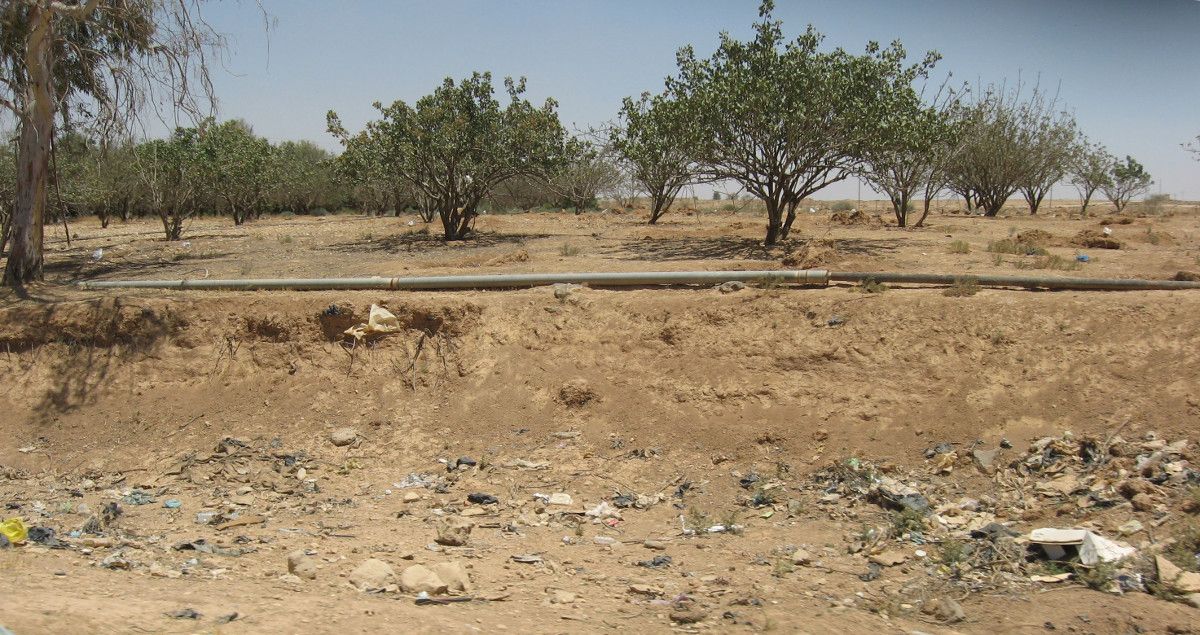
Medical education is huge in the refugee camp. With severed communication links to the rest of the world and lack of higher education, the camp had developed workarounds to deal with the knowledge shortage.
As a physician, one of the primary aims is to understand the patient concerns and convey a solution and plan that is workable and understood by the patient: in essence, communication. While this is true globally, this is at least an order of magnitude more necessary in the refugee camp. First, with no charts and a high illiteracy rate, it is as important as ever for the patient to totally understand their diagnosis and treatment, because almost all medical history is self-reported. Second, without a written action plan, phone to ask questions, or internet to search for answers, a patient must get all their information from the physician during the consult. This is compounded by the limited time each patient spends with the physician. Finally, the lack of general health education made it difficult for patients to understand the diagnoses or symptoms without baseline knowledge.
With that said, I had an unusually communicative day at the clinic with Dr. Hussein. Time to dive in.
Working with Dr. Hussein
I first met Dr. Hussein while working with Dr. John in pediatrics. He is funny, approachable, and always has a huge smile on his face. Even with all that is going on, he manages to get the patients and parents to laugh and smile. He also has a lot of wisdom about working in the camp having worked there the longest.
Educating parents is a primary job of medical workers, especially physicians. Dr. Hussein's style of communicating with patients was a unique surprise. Behind his happy demeanor, he was quite demanding of patients. Rather than offering suggestions, the doctor commanded them to do exactly as instructed. He says it's not his preferred style, but it is the best way to have the patients cooperate. He also has a sense of humor, even at the patient's expense. A patient once questioned his choice of medication, and he jokingly responded that "if you think I'm the expert, then follow what I say".
Another part of communication is getting the medical history, which is much harder without a real chart to go off. While I was with Dr. Hussein, he asked what medications the patient is taking multiple times. With a surprisingly high frequency, most parents changed their answer after the first time he asked. As prescriptions are not documented in the charts and are never noted by the other clinics, there is hardly ever a written record. Furthermore, the scarcity of pharmaceuticals in the camp means that often medications are borrowed from parents, siblings, or neighbors. The biggest cause is due to forgetfulness. The parents are usually preoccupied with much more urgent issues, so the prescription history does not come to mind easily unless reminded or prompted.
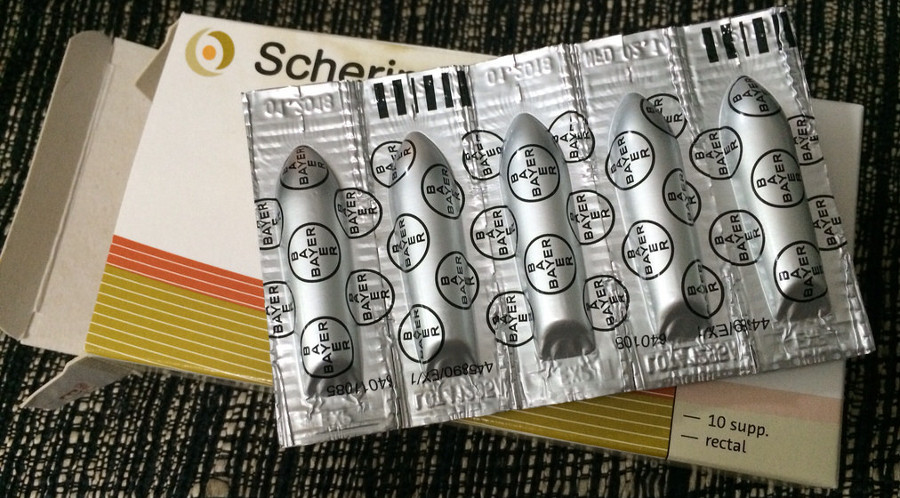
The physician preferred suppositories, because in his experience, patients follow the medication dosage and schedule more consistently. Patients also selected suppositories over liquid medications, the complete opposite of preferences in the US. Part of it was a cultural preference for suppositories, as most patients were already used to them in Syria, but another reason given was that they keep longer in the extreme heat.
Some less generalizable and less advisable lessons were learned today as well. I have not noticed any hand sanitizer use or hand washing whatsoever between patients, even with infectious diseases involved. With bacterial gastroenteritis a common occurrence, it's surprising that there are not more safeguards from preventing the spread of communicable illnesses in the clinic.
Patient Observations
Patients were generally surprised when they were not prescribed medications, and often insisted on receiving medications. Often, this was their way of justifying the long and time-consuming trip to the clinic, and most of the time it was their only source of pharmaceuticals. One downstream effect of this expectation is that patients who do not receive a prescription come back on another day to get another doctor who will write them a prescription. The local physicians tended to overprescribe just in case, as in the case of Dr. Abdussalam.
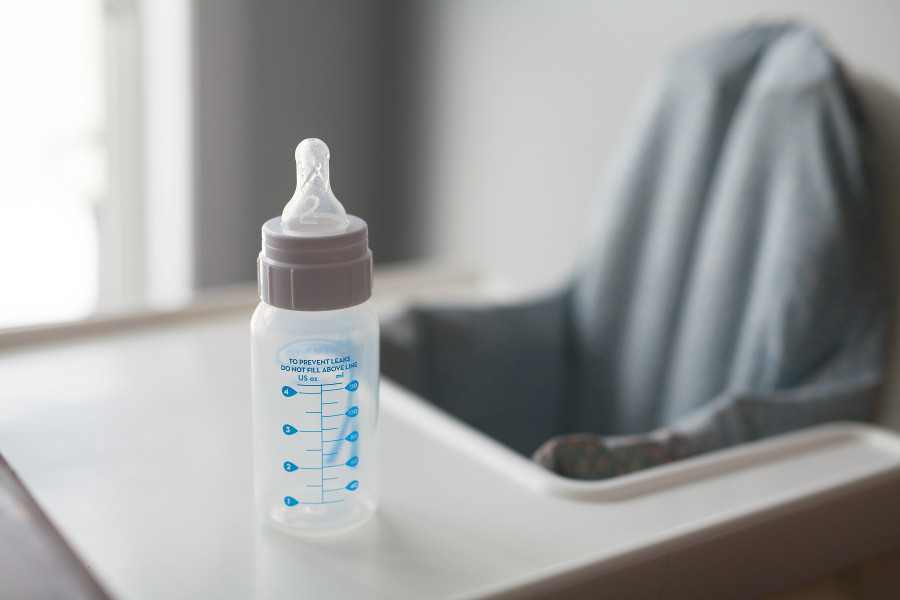
One issue facing newborn care was the lack of availability of baby bottles. Many patients complained about the lack of baby bottles. In fact, many action plans from physicians depended on baby bottles, from clean water to baby formula. It is incredibly sad that even something as basic as a baby bottled needs to be smuggled in from outside the camp. At the time of writing, there is no clear solution in sight.
A familiar concern was education about antibiotic use. Many parents quit using antibiotics early when their child improved, which is a huge issue with regards to antibiotic resistance. A related but new concern to me was increasing the frequency of antibiotics higher than the prescribed dosage to "speed up treatment". The concept had not occurred to me before, but it actually makes sense. More is better, right?
Final Thoughts
Long-distance communication without stable electricity, phone lines, cellular networks, or addresses is unthinkable to me. Even the clinic, which has a number of generators and backups, experiences several power outages during the day, which last anywhere from 5 seconds to 5 minutes.
The fact is, life in the refugee camp is somewhat like going back in time. Public health and city planning are nonexistent, so it harkens back to an era where bacterial infections that are basically a solved problem in the developed world spread like the plague and result in real-time healthcare crises. Only decisive action to address the causes, namely poor sanitation and food spoilage, can bring an end to this issue. The afflictions and prescriptions are merely a bandaid, however needed.