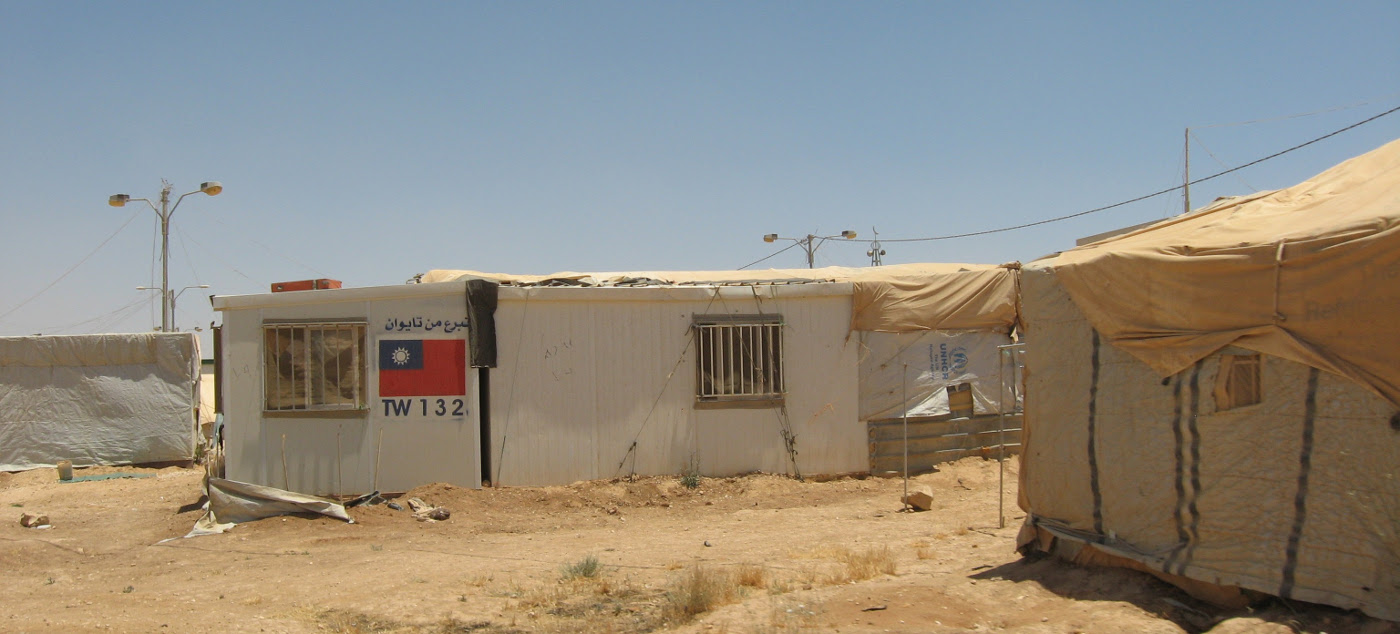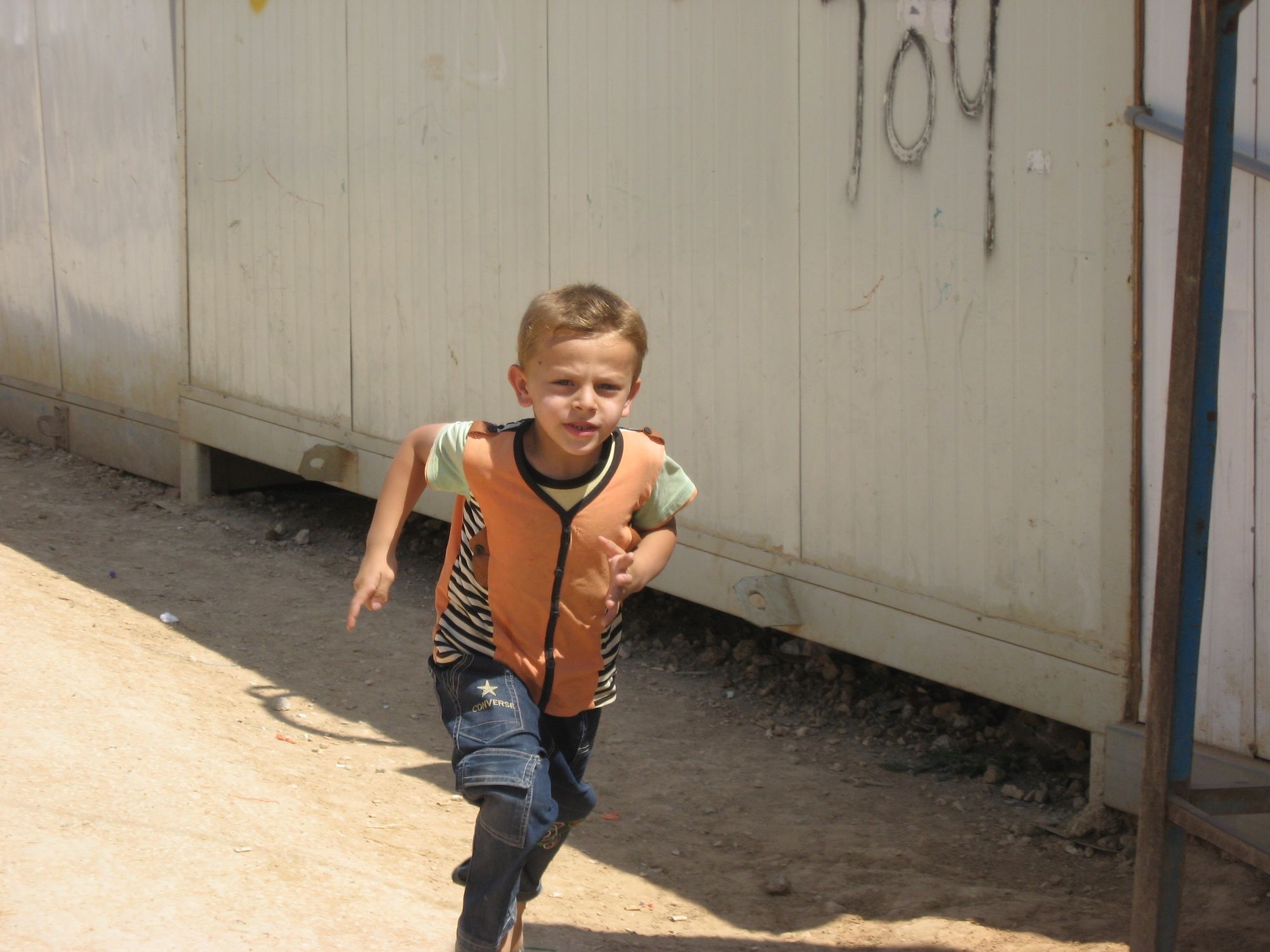
Today's my second day at the camp, and this time I at least have some idea what to expect based on my experience yesterday. This time, though, I'm interpreting for an American pediatrician who has volunteered for the mission (Thanks Dr. John!).
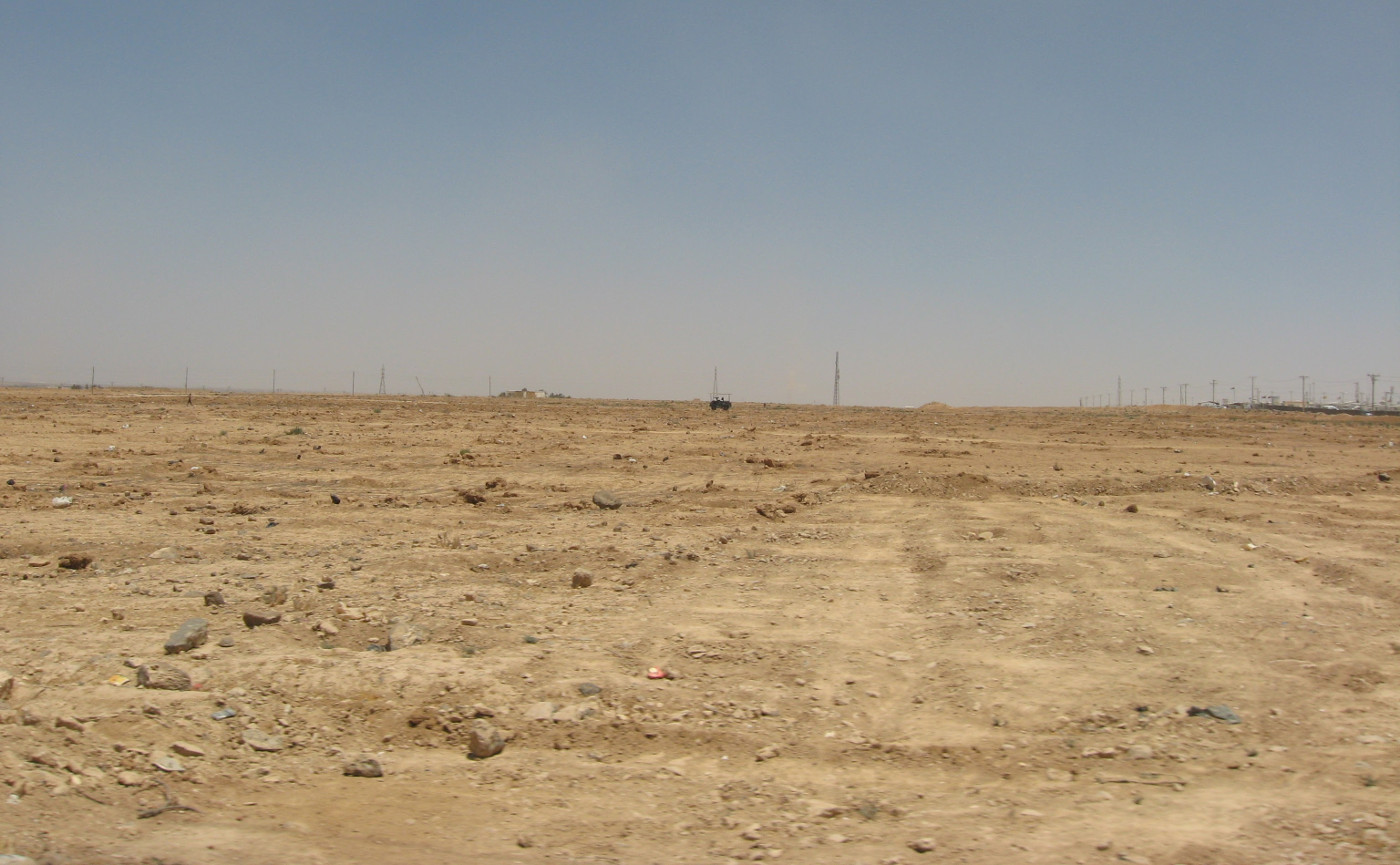
As I mentioned last time, the Zaatari refugee camp is just enormous - I can't wrap my head around the scale of the camp as we approach it for the second time. I look into the distance and can't see the end of the camp, even though the terrain is completely flat.
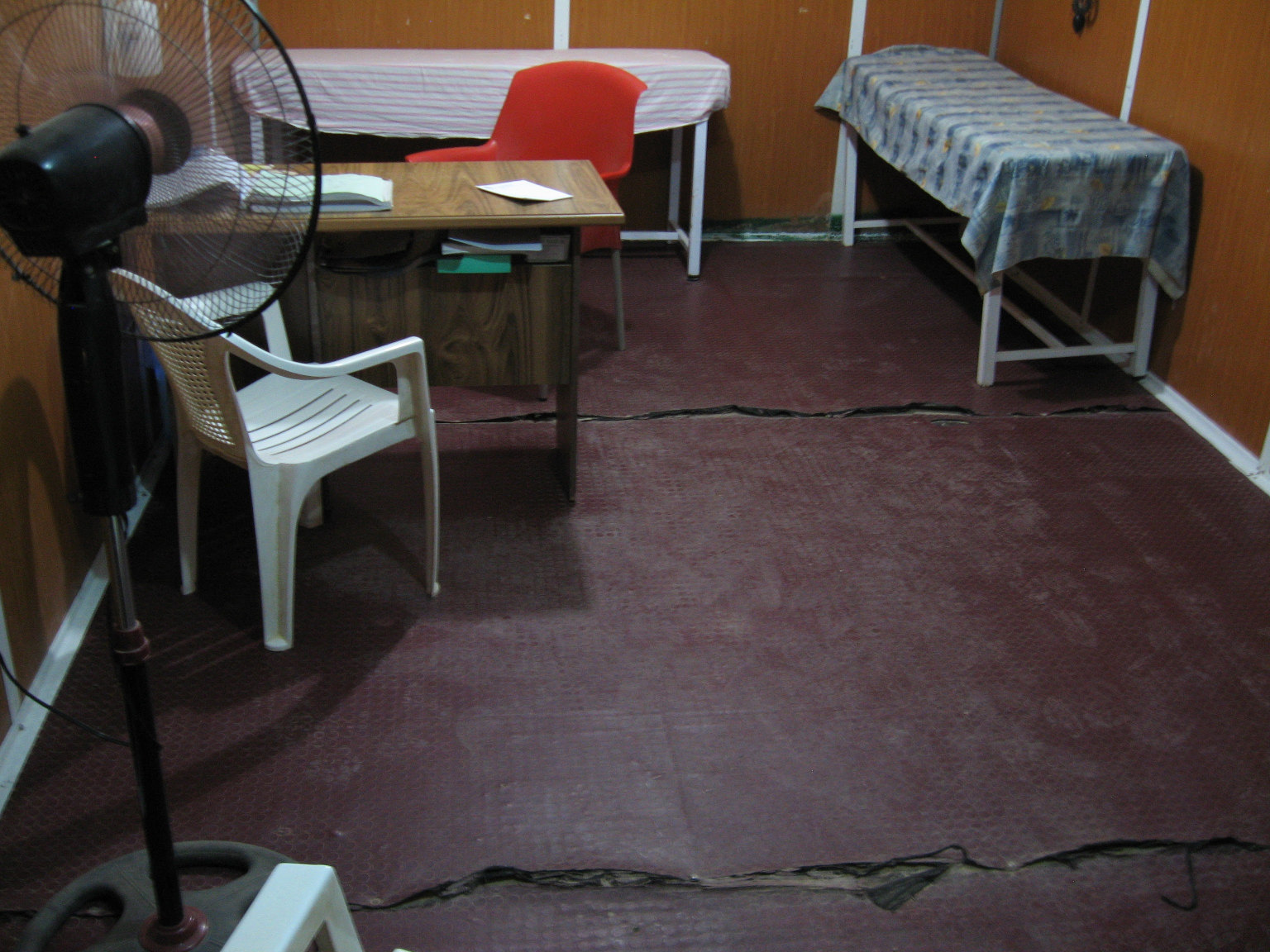
We get to the clinic, and we make our way to the back hallway where all the physicians are, unlike the emergency room which faces right into the waiting room. However, it seems pediatrics works a little differently - with the mission bringing 2 pediatricians, and there is 1 local Syrian pediatrician today, there are 3 doctors and only 1 pediatrics room. So, the local Syrian doctor, the American doctor, and I all move over to the Internal Medicine room. As the doctor was unpacking, we briefly planned our approach to communication and working with patients.
Cases
The first patient we examined was a typical case of a urinary tract infection, or UTI. It was actually harder than I expected to translate between the patient and doctor, especially with lots of one-off phrases. At the end, the doctor told me he was going to demonstrate Murphy's punch[1] for UTI, but the Syrian doctor beat him to it and gave a karate chop to the little girl's side. The doctor and I were a little taken aback and chuckled a little because it didn't seem like the girl was hurt, but it ruined the point of doing a Murphy's punch in the first place.
By far, the most common symptoms here are diarrhea, fever, and the common cold. The doctor suspects that they're from problems with the water and food supply, but doesn't bother to ask what the situation is from, so I've made a note to ask about it later when we get more time.
One of the big surprises is how common pinworms are in the camp. Roughly 15% of the patients today appeared to suffer from some sort of intestinal worms, and often ran within a family. The doctors disagreed over the proper dosage for Vermox (Mebendazole) to treat a worm infection - another note for later.
One patient that I won't forget is a little girl that came with 2 of her sisters but was incredibly shy. The doctor started with her first, and halfway through the visit, she started talking and helping the doctor examine her sisters. "Open your mouth wide," she tells her sister while the doctor examines her throat. For the next several hours, she would pop into the room and tell the other little girls waiting for their turn that it everything was OK.
A common concern among parents, regardless the primary complaint for the visit, is nocturnal enuresis. Mostly with young girls between 8-12, for whatever reason it seems they have a problem going to the restroom at night. I have my hypotheses, but I suspect that the restrooms here are unsanitary and the stresses of living here your whole life contribute to the problem.
There was a child that came in with obvious cerebral palsy. He had some clearly visible black stitches on his eye after a cornea replacement surgery, which was paid for by donations. However, the hospital completely neglected the follow-up and never removed the stitches which are already 6 months overdue.
Another patient in the same vein was an infant boy with Down syndrome, but the mother was unaware. It took several minutes for the doctor to explain the lifelong effects of Down syndrome, and several more for me to translate it all to the patient. In some ways, it seems like birth defects are so common and not well understood that there isn't much social stigma associated.
The biggest antipattern I've noticed so far is overdressing children, and especially infants when they have a fever. Today the temperature outside is almost 100F, and the babies with fevers are dressed with 3 layers of thick winter clothes and wrapped with another 3 or 4 layers of blankets and coverings. When discussing it with the parents, however, it makes sense because of the chills that are associated with fever.
There was a child who had an innocent heart murmur. It was actually somewhat surprising to me that I could hear it so clearly, and the child cooperating definitely helped.
Something I found uplifting was how caring some parents were for their children, especially in these conditions. One example was a parent who brought their child in for some sort of allergic reaction to insect bites which happened just an hour earlier when her child was playing outside.
Surprises
Actually, the doctor and I were very surprised how little malnutrition exists in the camp. We were actually expecting a lot of dehydration and malnutrition, especially in newborns. Even with the extreme prevalence of diarrhea, we didn't see any dehydration, which is even more odd.
Something noted by my translating colleague is the lack of signs of abuse in children. Even in the US you see relatively frequent cases of abuse popping up, but here it seemed like most parents were caring to their children, or at least hands-free. Parents are generally cooperative, interested in their child's care, and the children and parents are usually smiling. Some parents were even rather educated and came in knowing their child had tonsil inflammation and listed out the symptoms rather precisely. Others knew what medication they wanted and just asked for it straight out, probably from past experience or from the neighbors since disease is so common here. Just looking at their charts, on average it looks like the children visit the doctor every month or two.
Another surprise is just how little dehydration there is in the camp with the children, even when they have diarrhea. It seemed like that was a point of interest for the doctor as well, because he thoroughly covered how to look for dehydration in children, especially infants where it could be fatal.
Resources
Most things for the pediatric clinic are rather commonly used, so no shortages it seems like for 95% of the equipment and medications. There aren't enough stethoscopes or otoscopes to go around so it's best if you brought your own. Pediatric doses of tylenol, amoxicillin, azithromycin, and the like are readily available, though usually by Jordanian manufacturers and I doubt are as effective in the extreme heat.
One major missing resource is some kind of conversion between the American, European, and Arabic names for medications. The American doctor of course was more familiar with the American brand name and the generic name for a drug, but oftentimes that wasn't enough because even the scientific name for a drug is slightly different across the Atlantic. While most of the time the pharmacist was able to figure it out, the medical scribe had a lot of difficulty figuring out what medications to put down the medical records, which had to be in Arabic.
A key comparison Dr. John brought up is to the relief efforts in Haiti[2], which he volunteered in 5 years ago. A common pattern is to report symptoms to receive treatment when they are subsyndromal - in Haiti, the most common complaint was headaches, and here in the Zaatari camp by far the most reported symptom is diarrhea. On a happier note, Dr. John noted that the parents here are less angry and more open to cooperating with the physician compared with the patients in Haiti.
Reflections
On the way back, Dr. John, the other student, and I started discussing the conditions in more detail. Although it's just one day, I don't feel nearly as traumatized or worn out, mostly because it feels like the cases are treatable in some way.